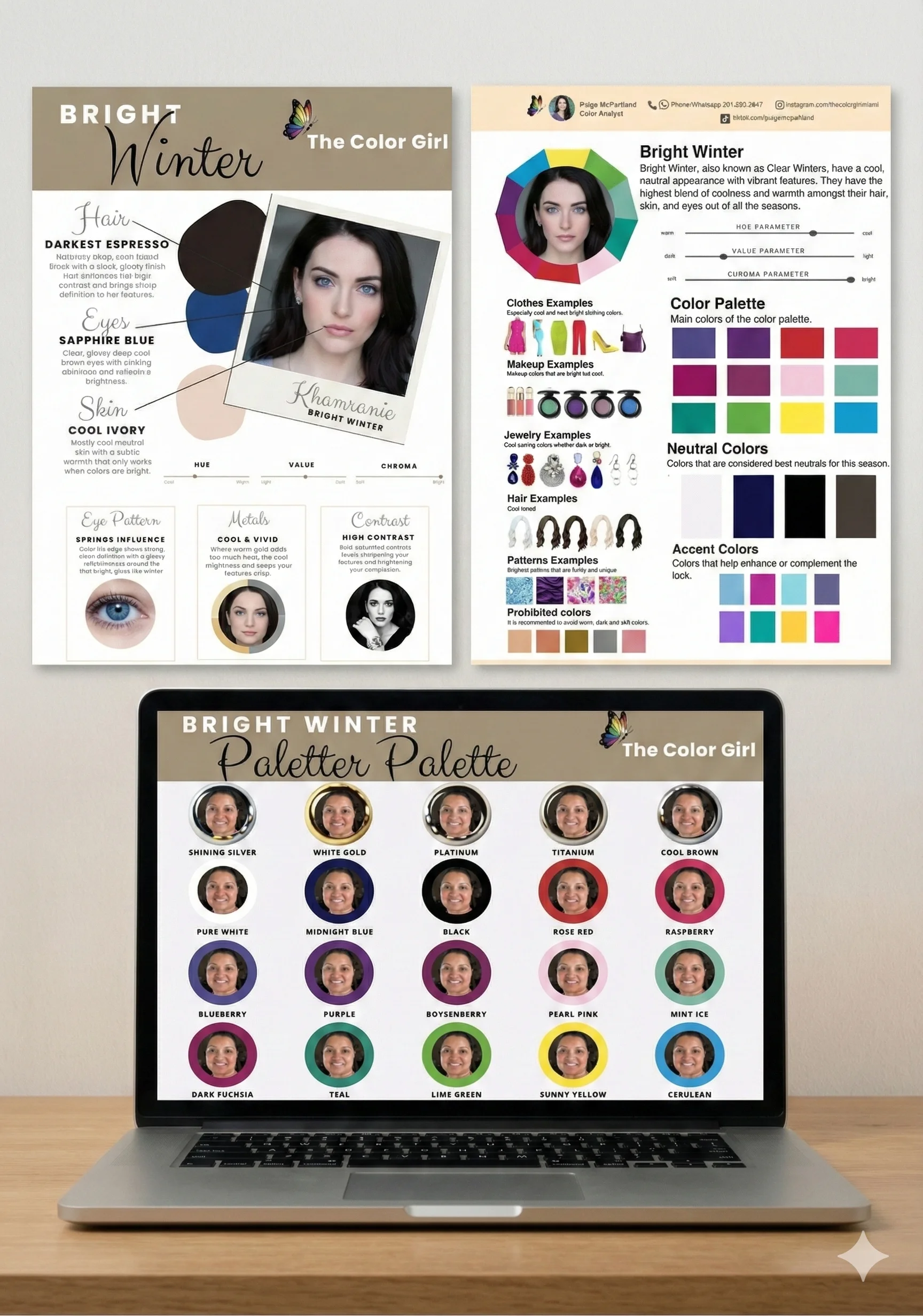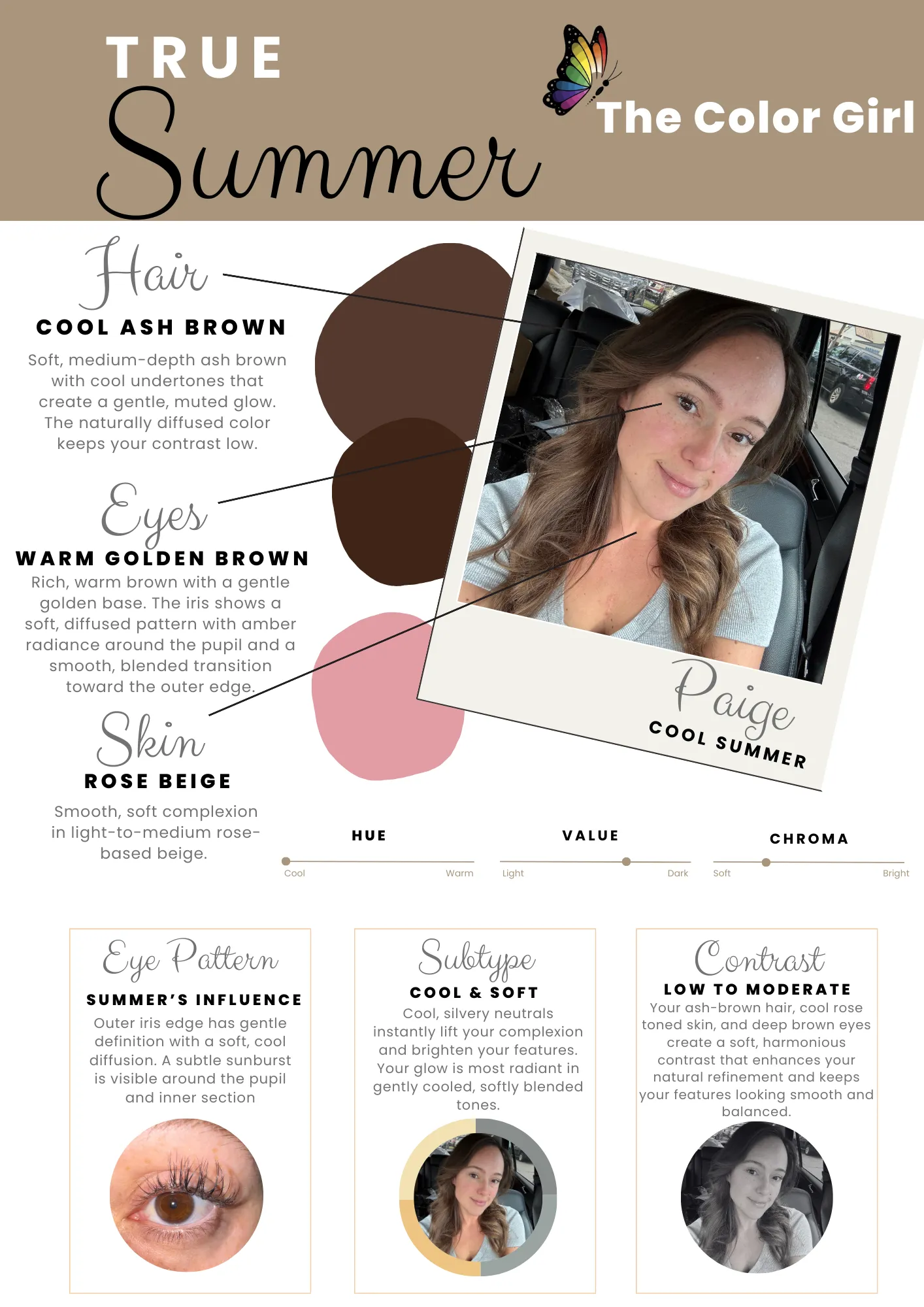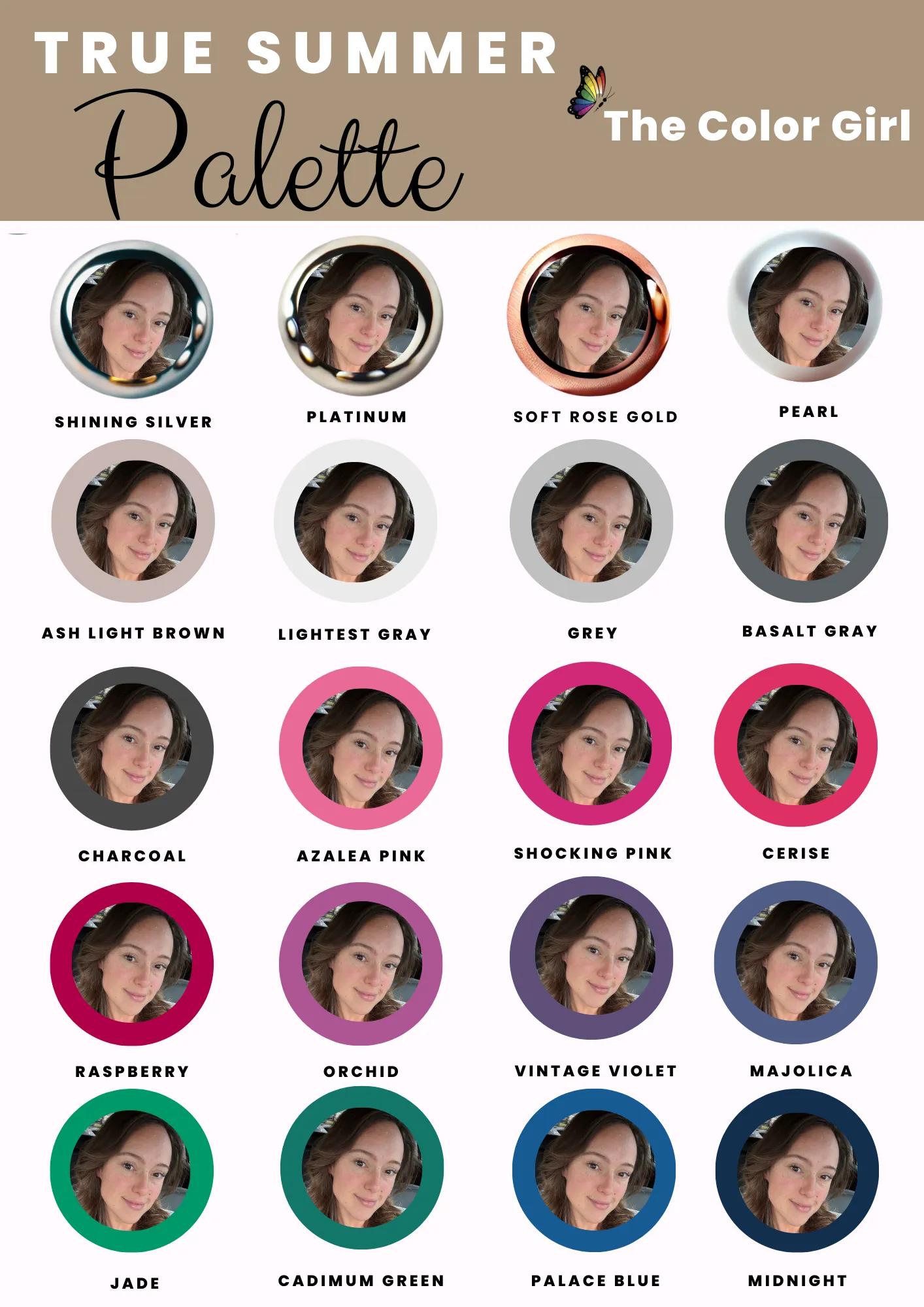

Which Makeup Colors Suit Me Best? Start With Your Color Season
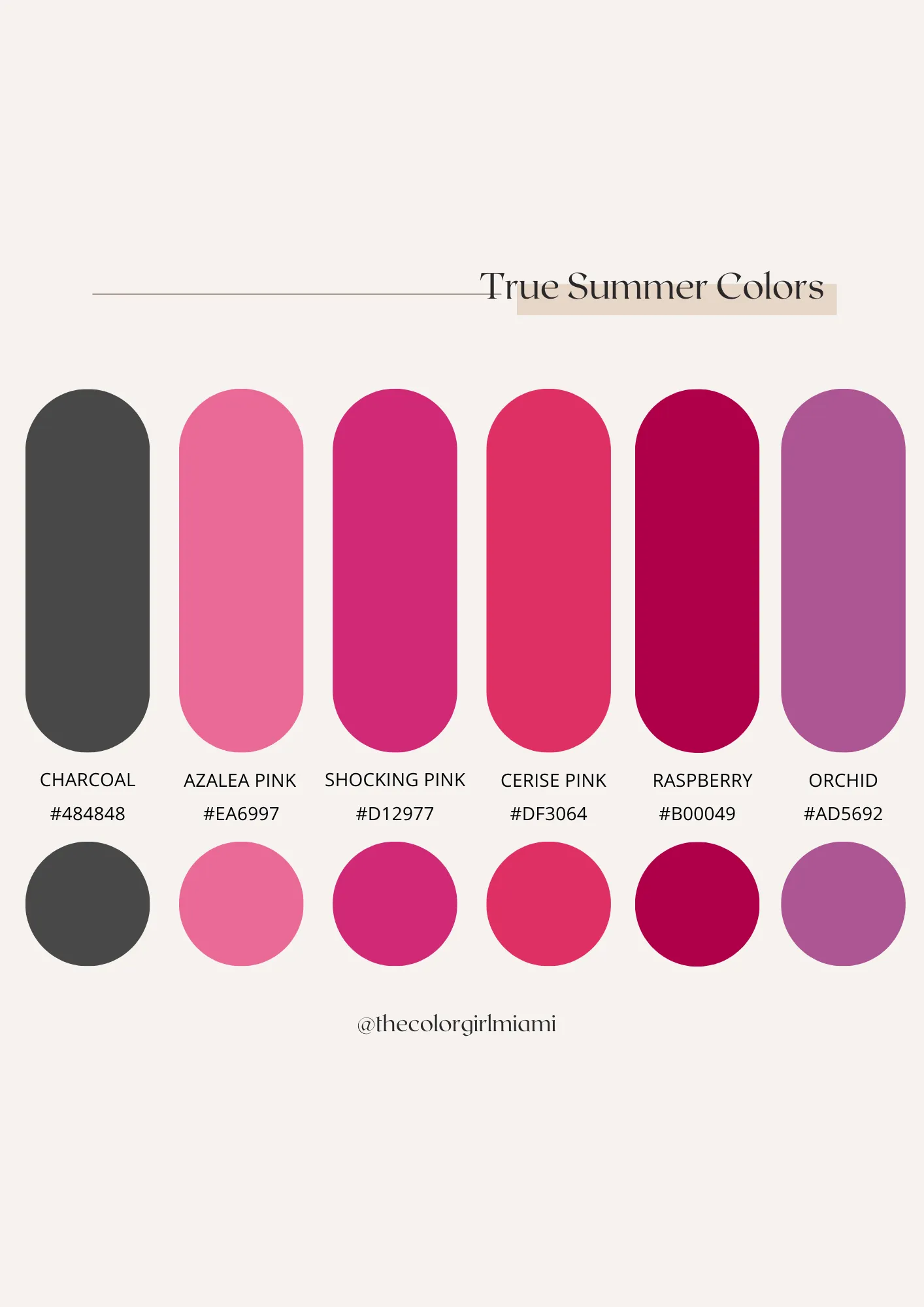
Use your color season to choose harmonious lipstick, blush, eyeshadow, and complexion tones without relying on one vague undertone label.
Short answer: Your most harmonious makeup colors repeat the temperature, depth, and intensity of your natural coloring. Your color season can narrow lipstick, blush, eyeshadow, and liner choices, while foundation and concealer should still be matched directly to your skin.
Many people are told they have a warm, cool, or neutral undertone and expect that one word to solve every makeup decision. Then a “cool” lipstick looks too strong, a “warm” palette turns orange, or a neutral foundation still looks wrong.
Undertone is important, but it is only one part of the picture. Seasonal color analysis adds lightness, depth, softness, brightness, and contrast. Those extra qualities explain why two cool-toned people may need completely different makeup.
Separate complexion matching from color makeup
Foundation and concealer have a different job from lipstick and blush.
Foundation should match your visible skin as closely as possible. It should not be chosen because a generic season chart says all Autumns are golden or all Summers are pink. People within every season have a range of skin depths and surface tones.
Test complexion products along the jaw and check them in natural light. Give the product time to dry in case it oxidizes. If possible, compare more than one undertone within the same depth.
Your season is more directly useful for color cosmetics:
- Lipstick and lip liner
- Blush
- Eyeshadow
- Eyeliner and mascara
- Bronzer, contour, and highlighter effect
Use three qualities instead of one undertone label
Temperature
Warm makeup colors lean peach, coral, terracotta, gold, bronze, camel, and warm brown. Cool colors lean rose, berry, mauve, plum, silver, taupe, and blue-based red.
Neutral coloring may wear colors from both sides, but usually within a more specific range. A neutral-warm person may suit peachy rose better than orange coral. A neutral-cool person may prefer soft berry over icy magenta.
Depth
Makeup depth should relate to your natural coloring and the contrast you want to create.
Light coloring often looks balanced in sheer to medium-depth shades. Deep coloring can carry richer pigment without the makeup floating separately from the face. Anyone can create a dramatic look, but the amount of definition needed to make it feel intentional will vary.
Intensity
Soft coloring usually harmonizes with blended, smoky, or muted shades. Bright coloring can support clearer, cleaner pigment.
This is often the missing clue when temperature seems correct but the makeup still feels wrong. A cool lipstick may be too electric for a Soft Summer. A warm blush may be too dusty for a Bright Spring.
Makeup direction by season family
These are broad starting points. Your personal recommendations should also account for skin depth, eye color, hair, and preferred makeup style.
| Season family | Lip and cheek direction | Eye direction | | --- | --- | --- | | Spring | Peach, coral, warm pink, clear red | Warm champagne, fresh gold, warm teal, clear brown | | Summer | Rose, mauve, soft berry, cool pink | Taupe, pewter, lavender, soft navy, cool gray-brown | | Autumn | Terracotta, cinnamon, brick, warm nude | Bronze, olive, warm cocoa, deep teal | | Winter | Blue-red, cranberry, plum, cool fuchsia | Charcoal, black, cool espresso, silver, jewel tones |
The subtype refines the effect. Light Spring makeup is lighter than Dark Autumn makeup. Soft Summer needs more muted color than Bright Winter. The broad family is a map, not the final address.
Start with lipstick when testing a season
Lip color sits close to the skin and quickly reveals temperature and intensity.
To compare two directions:
- Keep the rest of your makeup simple.
- Photograph each lipstick in the same natural light.
- Compare a warm and cool version at a similar depth.
- Notice the whole face before focusing on the lips.
The more harmonious shade often makes the eyes look clearer and the skin appear more even. The less supportive shade may emphasize redness, shadows, or sallowness, even if the lipstick itself is beautiful.
Do not compare a pale peach gloss with a deep berry matte and conclude that temperature caused the difference. Match the depth and finish as closely as you can.
Choose blush by the flush it creates
Blush should look connected to the face, not placed on top of it.
Warm seasons often suit peach, apricot, coral, warm rose, or terracotta depending on depth. Cool seasons often suit cool pink, rose, mauve, berry, or plum. Softer seasons benefit from muted versions. Brighter seasons can handle clearer pigment.
Placement and formula matter too. A sheer cream can make a strong color easier to wear. A matte powder may read deeper and more structured.
Build an eye palette you will actually use
Your best neutral does not have to be beige or brown.
Summer neutrals may include soft navy, pewter, and cool taupe. Autumn neutrals may include olive, bronze, and warm cocoa. Winter can use charcoal, cool espresso, and black. Spring may prefer warm tan, champagne, and clear medium brown.
If traditional black liner overwhelms you, try a seasonal near-neutral. Navy, plum, olive, charcoal, or brown can define the eyes while staying connected to the rest of your coloring.
Bronzer and contour are not interchangeable
Bronzer adds warmth and a sun-touched effect. Contour creates the appearance of shadow.
A cool or soft season does not have to avoid bronzer, but an orange or highly saturated formula may be difficult to blend naturally. Look for a more neutral, sheer option. Contour generally needs a quieter, shadow-like tone rather than obvious warmth.
Highlighter follows a similar principle. Champagne, pearl, gold, rose, or icy finishes can create very different effects. Temperature and intensity should connect with the rest of the makeup rather than being selected from one universal list.
Why a recommended product may still not work
Product names and online swatches are inconsistent. “Rose” can mean dusty pink, warm brown-pink, or vivid berry. The same shade can also look different across skin depths.
Use seasonal recommendations as color direction. When possible:
- Swatch in natural light
- Compare the product after it dries
- Check a full-face photo, not only a wrist swatch
- Keep the receipt until you have tested it with your usual routine
- Note the color qualities that worked so you can recognize them in other brands
A personalized report can name useful examples, but discontinued products and formula changes happen. Learning the color direction gives you a skill that lasts longer than one shopping list.
If you have conflicting quiz results
Do not buy two complete makeup bags to test two seasons. Begin with a few comparison products or fabrics near your face.
If you are deciding between warm and cool, compare similar-depth lip colors. If you are deciding between soft and bright, compare a muted rose with a clearer pink in the same temperature family. Our guide to conflicting color analysis quiz results can help you identify which trait is actually uncertain.
Frequently asked questions
Does every person in a season wear the same lipstick?
No. Skin depth, natural lip color, contrast, finish, and personal style change how a shade appears. The shared palette gives direction, while the exact product remains personal.
Can I wear black mascara if I am not a Winter?
Of course. If black feels harsh, brown, brown-black, soft black, navy, or plum may create a more balanced everyday effect. Makeup rules are options, not restrictions.
What if I love a color outside my palette?
Wear it. You can soften or balance the effect through sheerer application, a coordinating blush, a lip liner, or clothing in a more supportive color. Knowing the tradeoff helps you style it intentionally.
Will color analysis find my exact foundation shade?
Color analysis can clarify your overall temperature, but foundation must be matched to your current skin depth and visible undertone. A report is not a substitute for testing the formula on your skin.
The bottom line
Your best makeup colors are a coordinated family, not a list of universal products. Season gives you the temperature, depth, and intensity to look for, while testing helps you adapt those qualities to your skin and style.
Paige includes personalized makeup direction in The Color Girl's virtual color analysis, along with your palette, wardrobe guidance, jewelry, and hair direction. You can look inside the virtual report before choosing your package.
Ready to Discover Your Perfect Colors?
Transform your style with personalized color analysis. Book your session today and see the difference the right colors can make.