
What Hair Color Will Suit Me Best, and Should I Get a Color Analysis First?
Your most flattering hair color depends on temperature, depth, and intensity. Learn how color analysis can guide a lower-risk salon decision.
Short answer: The best hair color supports the same temperature, depth, and intensity that flatter your face. A color analysis can give you that direction before a major salon appointment, but it should guide a range of shades rather than promise one universally perfect formula.
Hair color is one of the highest-stakes beauty decisions because it changes the frame around your face every day. It can also be surprisingly hard to describe what feels wrong. A shade may be beautiful on its own but too warm, too dark, too bright, or too flat beside your skin.
Color analysis helps turn “something is off” into useful language.
Your best hair color is not determined by eye color alone
Advice such as “green eyes look best with red hair” or “blue eyes need ash blonde” is too broad. The same eye color appears across warm, cool, light, deep, soft, and bright coloring.
Hair needs to work with the whole face. The most useful questions are:
- Does the shade support your skin's temperature?
- Is the depth balanced with your natural features?
- Is the color too intense or too muted?
- Does it create a level of contrast your face can carry?
- Will the result still feel harmonious without a full face of makeup?
This is why two people with brown eyes and fair skin can need completely different versions of brunette or blonde.
The three color qualities to discuss with your stylist
Temperature
Hair color can lean warm, cool, or neutral.
Warm directions include honey, golden blonde, copper, caramel, warm chestnut, and some auburns. Cool directions include ash blonde, mushroom brown, cool espresso, blue-black, and burgundy that leans plum rather than copper. Neutral shades sit between those ends.
Warm does not always mean orange, and cool does not always mean gray. A skilled colorist can adjust the formula while preserving the temperature your face needs.
Depth
Depth describes how light or dark the color is. Moving several levels away from your natural depth can be striking, but it also changes your contrast.
Someone with delicate, light coloring may feel overpowered by an inky brunette. Someone with naturally deep, high-contrast coloring may look less defined when lifted to a very pale blonde. This is not a rule against dramatic change. It is a clue about what else may need to change, such as brow definition, root depth, or makeup contrast.
Intensity
Intensity is the difference between clear and muted color.
Bright copper, icy platinum, and glossy blue-black have a clear, high-impact quality. Beige blonde, softly blended brunette, and smoky auburn are more muted. If your coloring is naturally soft, a very saturated hair color can appear separate from your face. If your coloring is naturally clear, an overly smoky shade can make the overall effect feel dull.
Hair direction by seasonal quality
Your exact recommendation should be personal, but these broad patterns can help you understand the language.
| If your coloring is mainly... | Hair directions often worth exploring | Details to watch | | --- | --- | --- | | Warm and light | Golden blonde, light copper, warm beige, strawberry tones | Avoid making the result too dark or overly ashy | | Warm and rich | Caramel brunette, chestnut, auburn, warm espresso | Keep enough richness and dimension | | Cool and light | Pearl blonde, cool beige, soft ash, gentle taupe | Avoid heavy darkness or strong gold | | Cool and deep | Cool espresso, deep neutral brunette, plum brunette, blue-black | Protect clarity and avoid orange warmth | | Soft and neutral | Mushroom brown, blended beige, muted bronde, subtle balayage | Avoid very stark or highly saturated color | | Bright and high contrast | Clear brunette, polished dark tones, bright dimensional highlights | Avoid muddy, overly smoky finishes |
These are starting families, not salon formulas. Your natural base, hair condition, maintenance preference, gray coverage, and previous color history all matter.
Should you get a color analysis before dyeing your hair?
It is especially useful before your appointment when:
- You are making a major change in depth or temperature
- You have saved inspiration photos that do not resemble each other
- Your current color only feels right when you wear more makeup
- You keep alternating between warm and ashy formulas
- You are deciding whether to embrace gray, blend it, or cover it
- You know your season but cannot translate it into salon language
Color analysis will not replace a consultation with a licensed stylist. It gives the stylist a clearer visual destination. The stylist still decides how to reach it safely based on your current hair and color history.
Bring direction, not a demand for one formula
A useful note to your stylist might sound like:
“My analysis shows that I am flattered by cool, soft, medium-depth color. I want to stay brunette, avoid red warmth, and keep the result dimensional rather than very dark or flat.”
That is more adaptable than asking for a formula copied from a stranger's social media post. Your stylist can translate the goal to your starting level and hair condition.
Bring:
- Your color analysis palette
- Two or three recommended inspiration images
- One image showing what feels too warm, cool, light, or dark
- Your maintenance limit
- A complete history of previous dye, bleach, henna, or smoothing treatments
What if your favorite hair color is outside your season?
You do not have to give it up.
Color analysis is a tool for understanding the tradeoff. You can adjust placement, depth, or temperature to make the shade connect more naturally with you. A warm color can be moved away from the face. A deep root can preserve contrast. A cooler toner can soften brassiness without erasing all warmth. Makeup and clothing can also bridge the look.
The goal is not obedience to a palette. It is knowing why a color creates a certain effect so your choice is intentional.
How a personal hair color edit can help
Inspiration photos show the color on someone else. A digital hair edit shows a direction on your own face.
The Color Girl's Virtual Color Analysis + Hair Color Edit includes the full personal analysis plus visual hair recommendations. Paige uses your season and features to choose directions that belong with the rest of your palette.
The edit is a planning reference, not a guaranteed salon result. Screens, hair texture, starting color, and chemical history all affect what a stylist can create. Its value is helping you compare the current direction with a more harmonious one before the appointment.
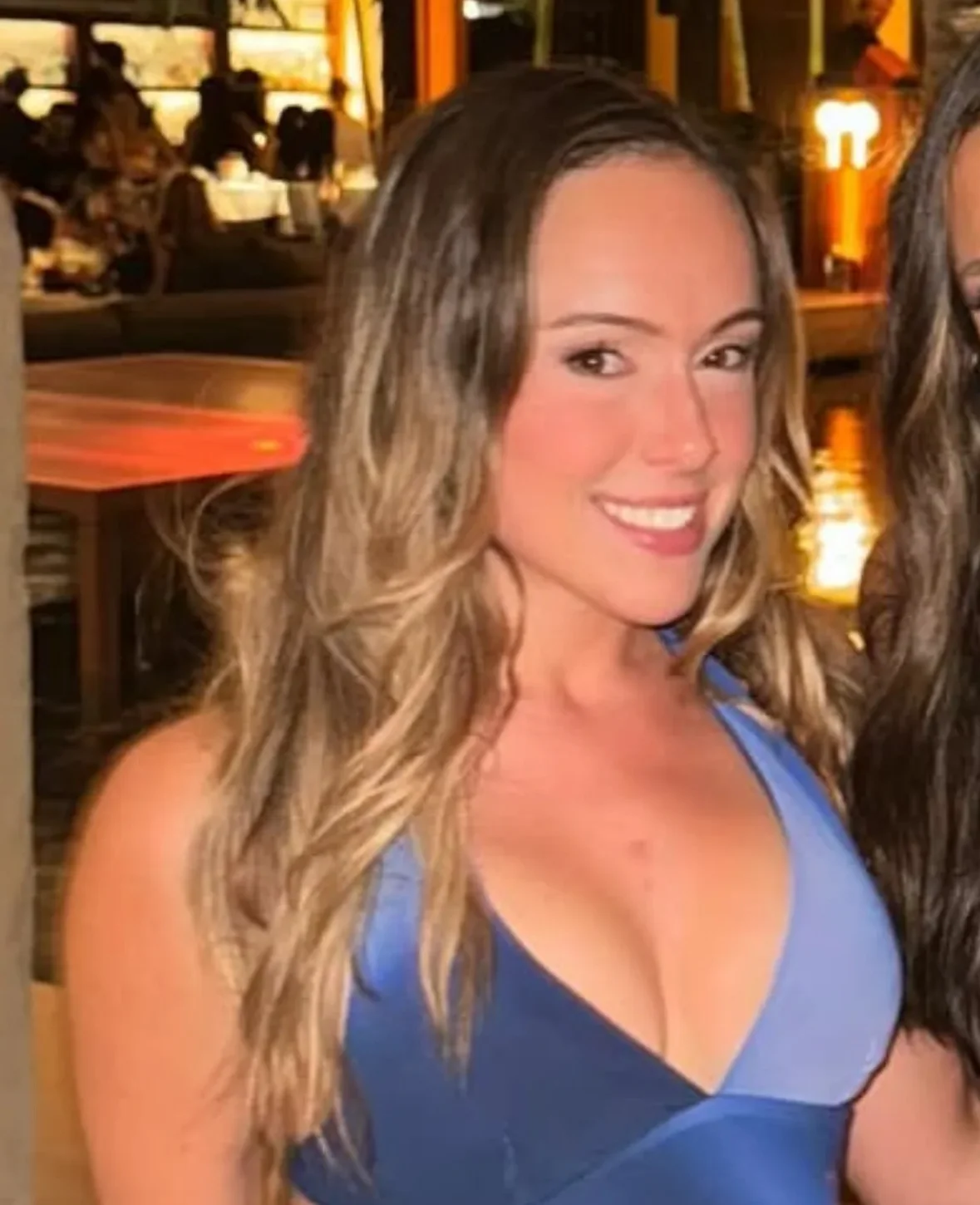
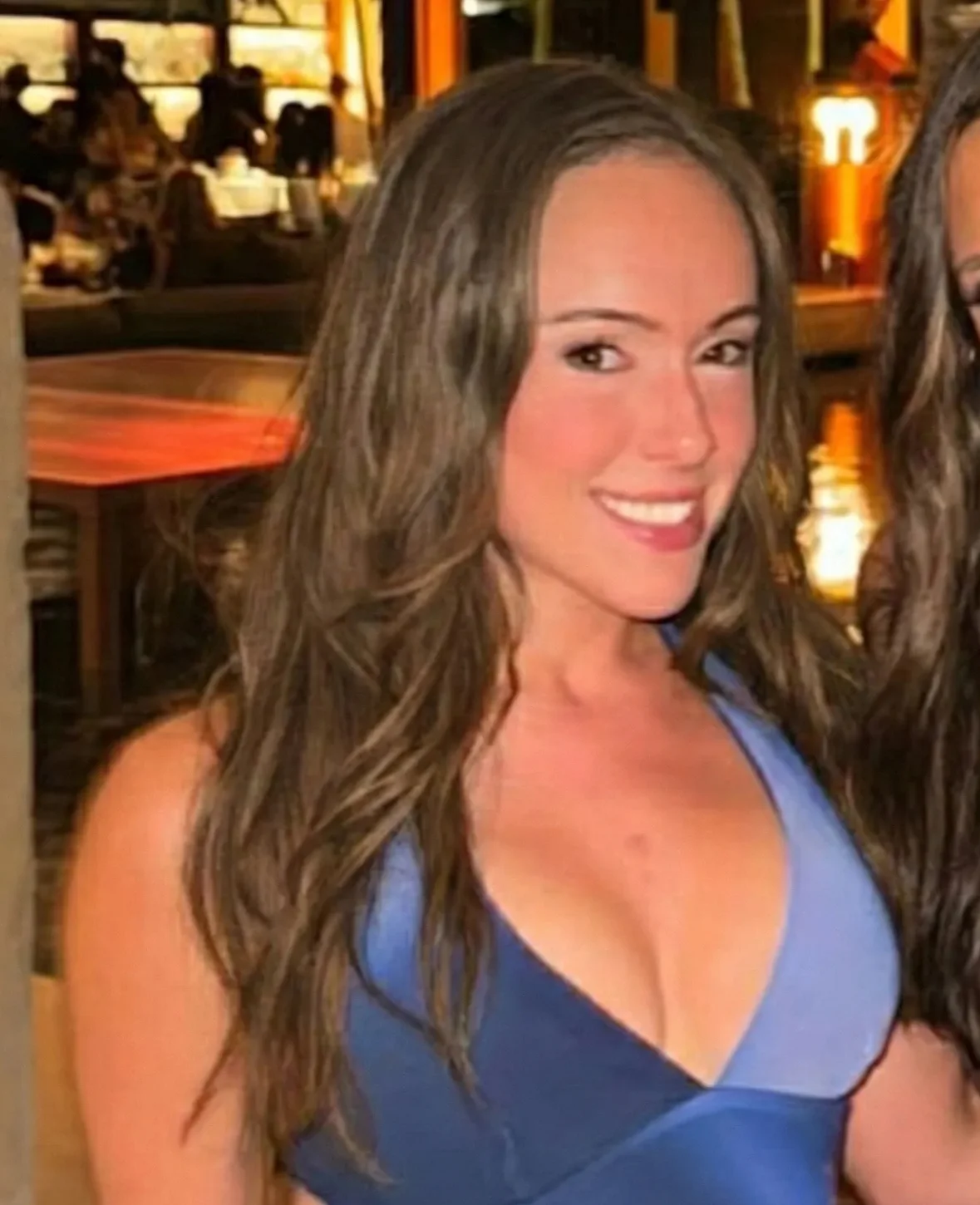
This example shows the kind of visual comparison included with the hair package. It is a personalized direction for discussion with a stylist, not a dye formula or a guarantee that every salon can reproduce the screen image exactly.
Mistakes to avoid before a major change
Choosing from a celebrity photo alone
The celebrity may have different coloring, lighting, extensions, and professional makeup. Use the image for a technique or mood, then adapt the temperature and depth to you.
Confusing brassiness with all warmth
Warm hair can be flattering and intentional. Unwanted brass is a balance problem within the formula, not proof that every golden or copper tone is wrong for you.
Going too far from your natural contrast by accident
A dramatic change may be exactly what you want. It should be a conscious choice. Ask how the new depth will relate to your brows, eyes, and everyday makeup.
Ignoring maintenance
The most flattering shade is not practical if you resent the upkeep. Root frequency, toner, fading, hard water, and heat styling should be part of the decision.
Frequently asked questions
Does my color season tell me one exact hair color?
No. A season identifies a family of supportive qualities. Several blondes, brunettes, reds, or gray-blending directions may work within that family.
Should hair match my skin undertone?
Temperature matters, but it is not the only factor. Depth, intensity, contrast, and the balance of highlights and lowlights can be just as important.
Can color analysis help with gray hair?
Yes. It can clarify whether your natural gray creates harmony, whether you may prefer warmer or cooler blending, and which clothing and makeup colors support the transition. A stylist should still determine the safest technical plan.
What if I already know my season?
Start with your season guide, then focus on its dominant qualities. If you still cannot picture the change, a personal edit can translate general guidance to your face.
The bottom line
The best hair color is not one trendy shade. It is a direction that balances temperature, depth, intensity, contrast, and the reality of your hair.
If a salon change is on your mind, start with the package comparison on the virtual color analysis page. Choose the hair edit option when seeing a personalized direction on your own photo would help you communicate the goal.
Ready to Discover Your Perfect Colors?
Transform your style with personalized color analysis. Book your session today and see the difference the right colors can make.